



Lime Kiln
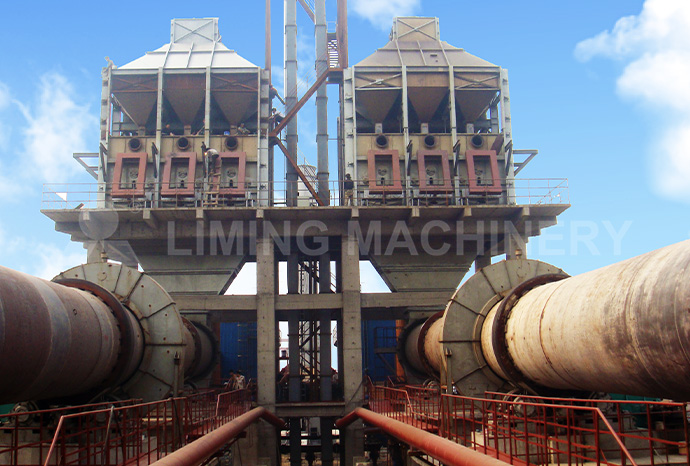
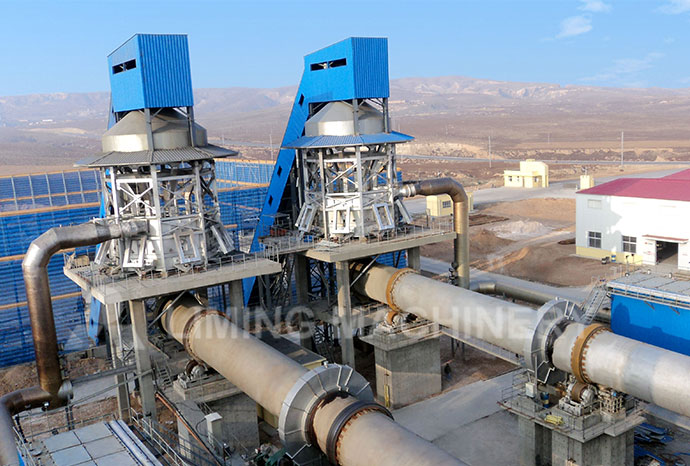
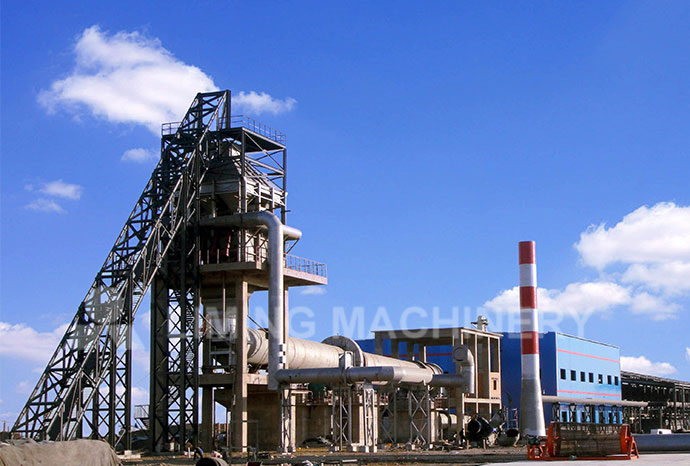
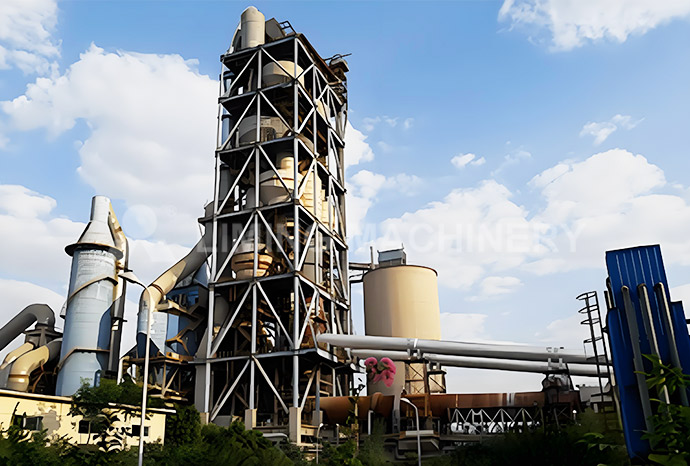
Lime rotary kilns offer multiple advantages in processing limestone. Also known as lime kilns, they are robust calcination systems distinguished by high production capacity, quiet operation, and low overall energy consumption. As a primary processing equipment for lime production, they deliver substantial industrial value, driving strong market demand and making them the preferred choice for most users in limestone processing.
Applications:
mainly apply for lime production line.
Capacity: 150-1000t/d
Lime Kiln For Sale

Performance Advantages
the main drive system adopts a new type of AC frequency conversion speed regulation technology. Compared with traditional electromagnetic speed regulation and DC speed regulation, it is more energy-saving and environmental protection and has a wide range of speed regulation, high efficiency, and high-speed regulation precision, and stable operation.
After welding the base of the supporting device of the supporting wheel and the retaining wheel, and eliminating the welding stress through vibration aging treatment, integrated processing and manufacturing can be carried out by using a large vertical lathe and boring and milling machine, which can guarantee the machining accuracy and shape and position tolerance requirements of each part and significantly improve the installation accuracy and reliability of the whole machine.
According to the characteristics of limestone and its’ calcination process requirements, the overall structure optimization design was carried out for kiln head and end sections, which solved the problems of return materials of kiln tail and dust leakage commonly existed in common rotary kilns, making the transportation more smooth and natural.
The limestone is uniform in heat, stable in product quality, low in over-burnt rate, especially suitable for calcination of high activity lime for steelmaking.
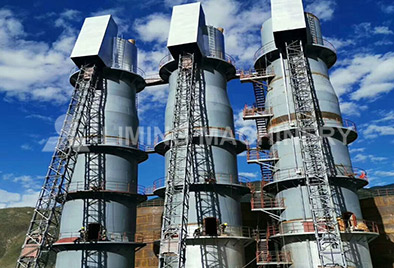
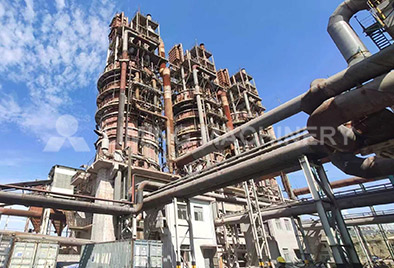
vertical preheater can be configured at the end of the kiln to make full use of the high-temperature flue gas calcined in the lime rotary kiln, preheat the limestone from normal temperature to the initial decomposition state, improve the product activity, and facilitate transportation and storage.
Working Principle
Limestone is fed into the kiln through the chute at the end of the kiln. Due to the tilt and slow rotation of the kiln body, the limestone rolls along the circumference on one side and moves from the end of the kiln to the kiln head on the other side along the axis. The fuel is sprayed into the kiln from the end of the kiln through the burner for combustion, and the heat is transmitted to the limestone by radiation, convection and conduction. After the limestone is calcined into quicklime during the moving process, it is discharged from the end of the kiln, and the high-temperature flue gas enters the dust removal system from the end of the kiln.


 WhatsApp
 Leave message