Complete Mineral Processing Solutions | Drafting Unit for China's Grinding Industry Standards


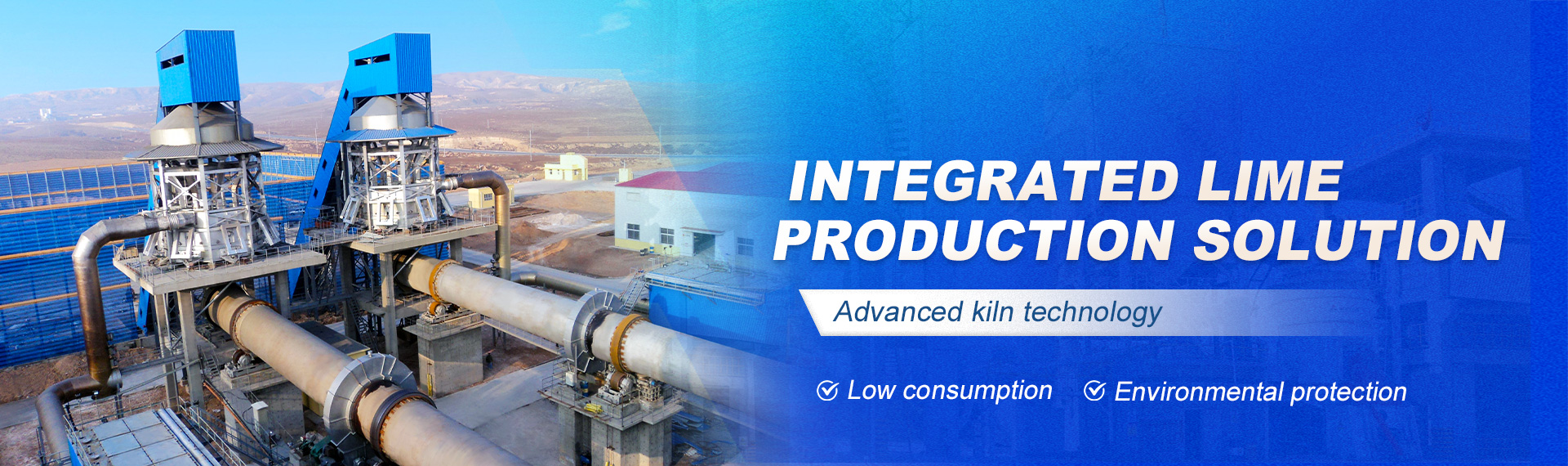
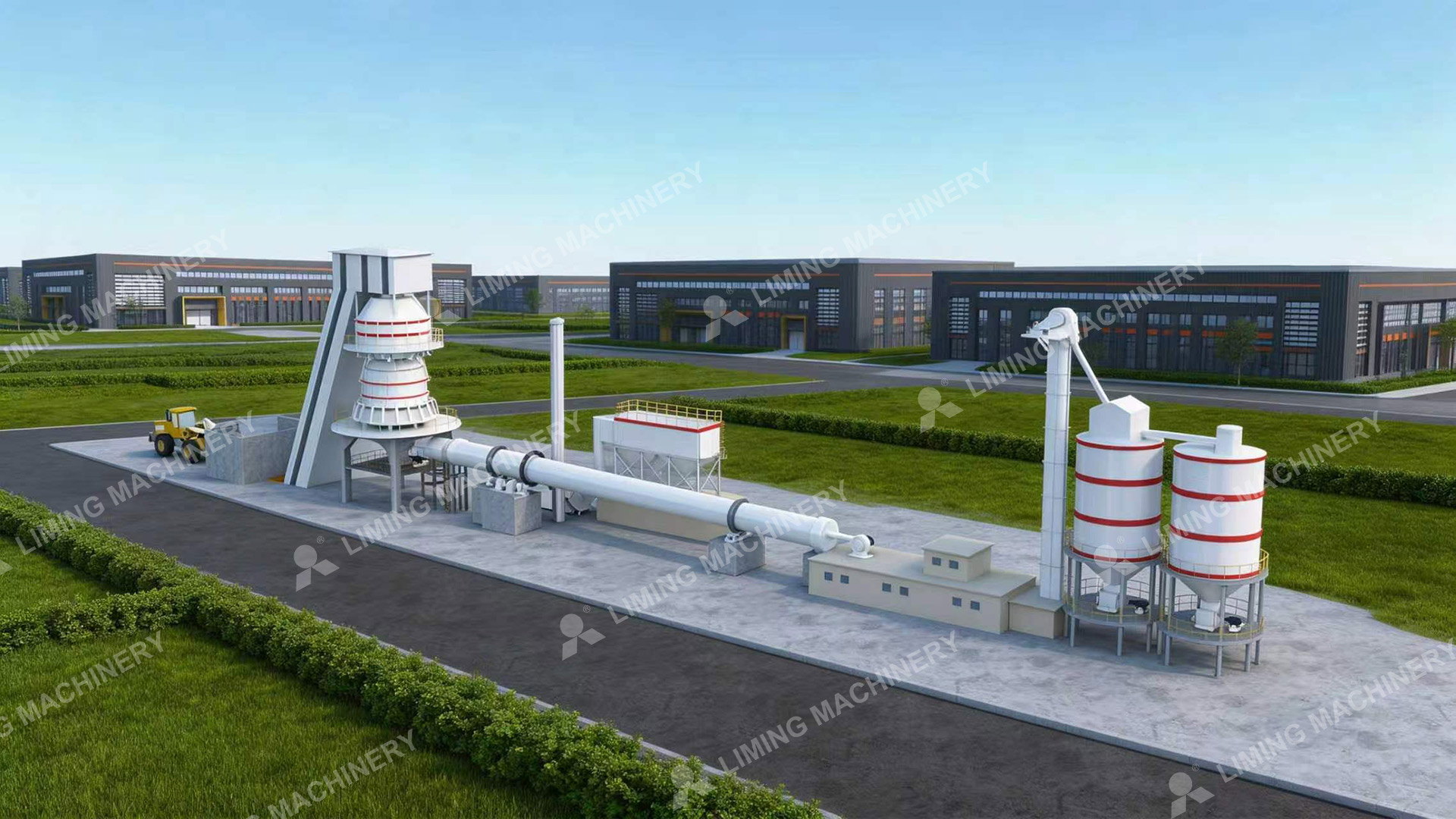
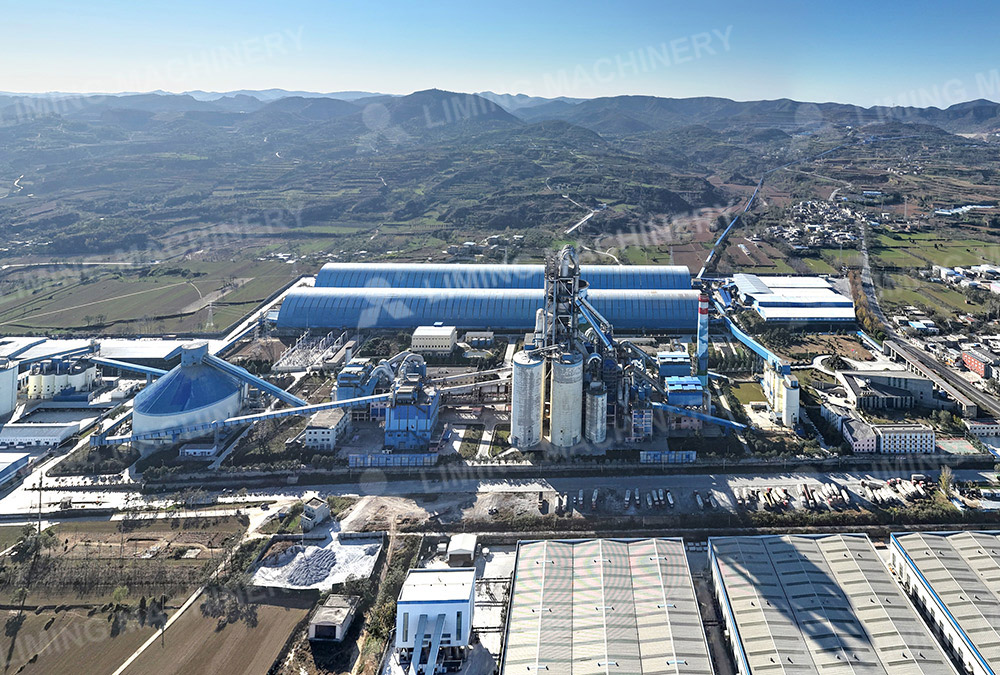
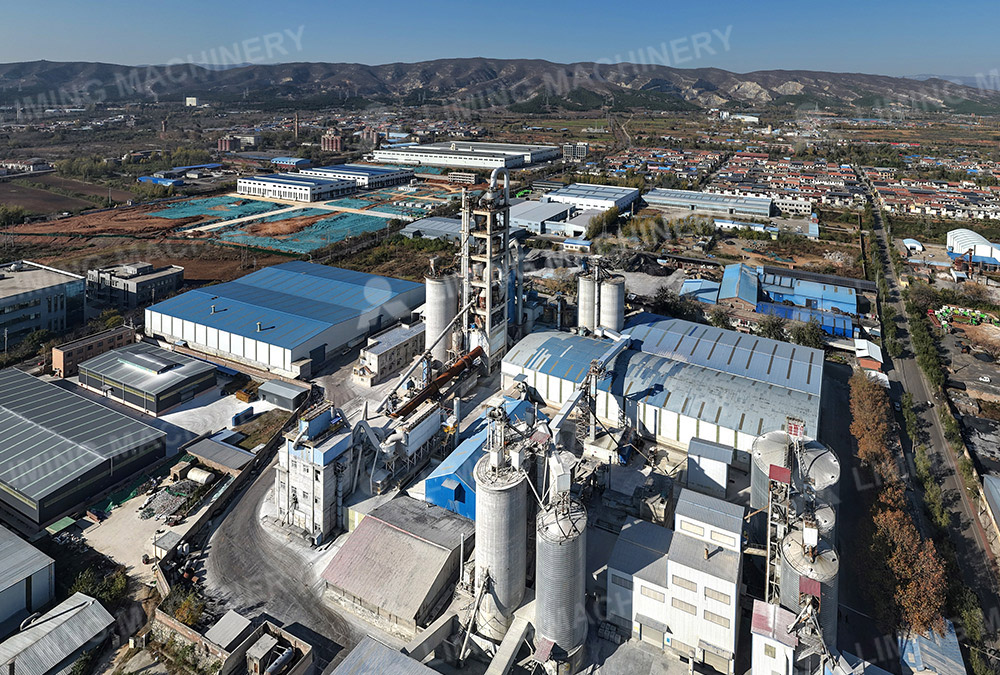
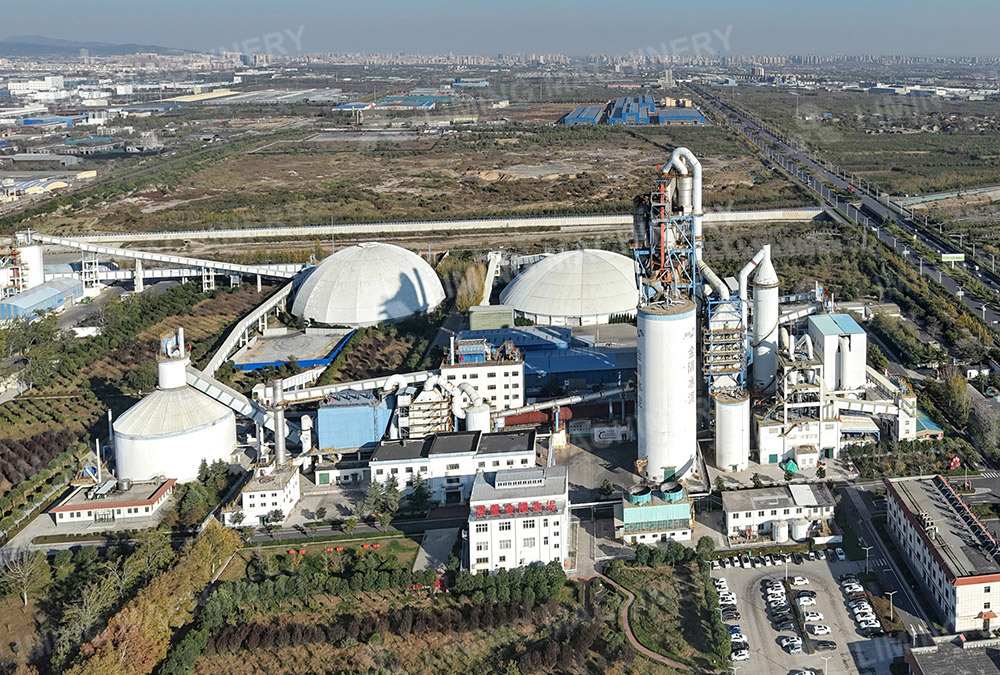
Activated lime is mainly made from minerals with high calcium carbonate content such as limestone, dolomite, and chalk, which are calcined at 1100 ± 50 ℃. There are various production methods for lime, mainly including the energy-saving lime production process of “preheater—rotary kiln—vertical cooling”. Traditional “long rotary kiln” lime production process. Production process of lime in mixed firing vertical kiln. Gas fired or oil fired vertical kiln lime production process.
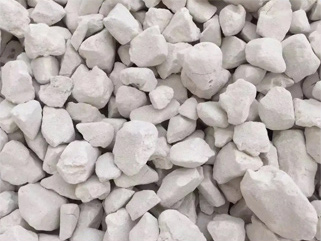
Composition Requirements:
CaO3 content > 85%
The flue gas discharged through the vertical preheater at the kiln tail has a low temperature and low dust content, making the subsequent flue gas treatment configuration simple and meeting environmental protection requirements.
The rotary kiln belongs to the open calcination type, with a simple kiln structure and smooth airflow. Sulfur containing flue gas can be discharged in a timely manner, and the sulfur content in the fuel is not easy to adhere. Therefore, the sulfur content of the product is low, which meets the requirements of steelmaking.
Installing a vertical preheater at the kiln tail can fully utilize the high-temperature flue gas generated by calcination in the rotary kiln, which not only greatly increases the output of the rotary kiln, but also reduces the heat consumption per unit product.
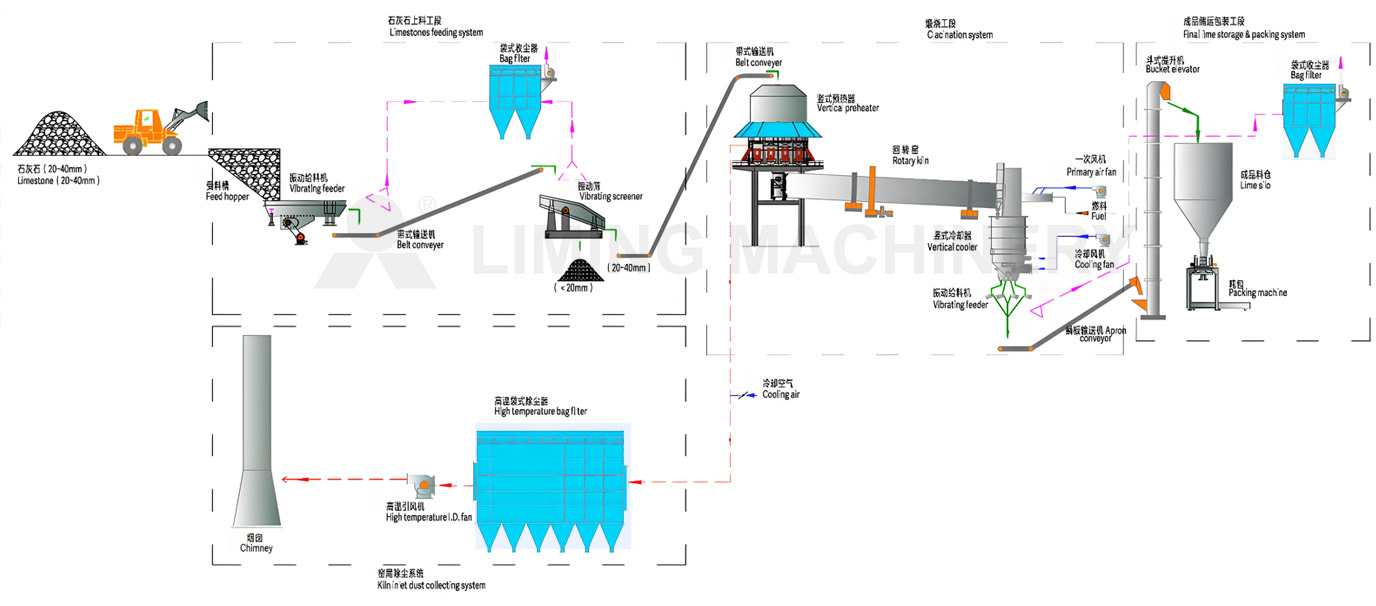
Limestone with a particle size of 10-50mm is transported to the factory area and stacked in the material yard, which is operated by a loader. The materials with qualified particle size are loaded into the receiving trough set up in the material yard by the loader. The material is quantitatively fed by the feeder under the receiving trough, and the stone is fed to the large angle conveyor before being sent to the screening building. The limestone with qualified particle size after screening is weighed and sent to the top material bin of the preheater by the large angle conveyor. The screened powder is transported to the storage yard by conveyor and regularly removed by shovel trucks.
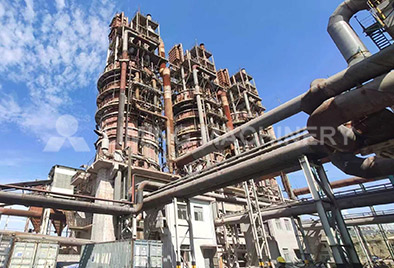
Limestone calcination is composed of a vertical preheater, a rotary kiln, and a vertical cooler, with a production capacity of 150-1200 t/d. The material is introduced into the preheater body through a discharge chute from the top material bin of the preheater. At the same time, the high-temperature flue gas introduced from the rotary kiln preheats the material to above 1000 ℃, causing partial decomposition of limestone. It is then pushed into the tail of the rotary kiln by a hydraulic push rod, and after high-temperature calcination in the rotary kiln, it is discharged into the cooler. The material is cooled by cold air blown in by a fan and discharged from the cooler until the ambient temperature is below+60 ℃. The air blown into the rotary kiln through the cooler is used as secondary air to participate in combustion.
Finished lime is unloaded from the cooler and transported to various finished lime storage facilities through chain plate conveyors, bucket elevators, and belt conveyors. The unloading valve under the lime storage bin is used to load the lime in the bin into cars or tank trucks for external transportation. Set up storage warehouses of different sizes according to customer storage requirements.The finished product storage warehouse adopts circular storage, with 2 finished product warehouses of 5-50mm and 1 finished product warehouse of <5mm. The quantity of each warehouse is about 800 tons.
The high-temperature flue gas generated by the combustion of the rotary kiln is cooled to below 250 ℃ after heat exchange with limestone in the preheater, and then enters the cyclone dust collector for primary dust collection, capturing large particles of dust before entering the bag filter. After dust removal, it is discharged into the atmosphere through a high-temperature fan, and the dust concentration of the exhaust gas is less than 30mg/m3. Install a cold air control system at the inlet of the dust collector to protect it.
| Capacity(t/d) | 150 | 200 | 250 | 300 | 350 | 400 | 500 | 600 | 800 |
| Main equipment | Main supporting equipment models and technical economic indicators | ||||||||
| Vertical preheater | YRQ04 | YRQ06 | YRQ06 | YRQ06 | YRQ08 | YRQ10 | YRQ12 | YRQ12 | YRQ14 |
| Rotary kiln | Φ2.5×40m | Φ2.8×43m | Φ3.0×48m | Φ3.2×50m | Φ3.3×52m | Φ3.6×55m | Φ3.8×58m | Φ4.0×60m | Φ4.3×65m |
| Vertical cooler | LSF36 | LSF44 | LSF56 | ||||||
| High-temperature dust collector | PPC128-7 | PPC128-9 | PPC128-10 | ZL340-6 | ZL340-7 | ZL340-8 | ZL340-2×5 | ZL340-2×6 | ZL340-2×7 |
| Calcination temperature/℃ | 1250±50 | ||||||||
| Energy consumption index/(kCal/kg · lime) | 1250±50 | ||||||||
| Electricity consumption index/(kWh/t · lime) | 40±5 | ||||||||
| Limestone: Lime | 1.7~1.78:1 | ||||||||
| Lime overburning rate/% | ≤5 | ||||||||
| Lime activity/mL | ≥ 340 (depending on the composition of limestone) | ||||||||
| Ash discharge temperature/℃ | Ambient temperature +60℃ | ||||||||
| Limestone kiln particle size/mm | 10~20/20~40 | ||||||||
| Applicable fuels | Coal powder, coke oven gas, blue charcoal furnace gas, converter gas, blast furnace gas, calcium carbide furnace tail gas, natural gas, diesel, heavy oil, liquefied petroleum gas, biomass fuel, etc | ||||||||

1 Calcination: The selected limestone is sent into an environmentally friendly lime kiln for high-temperature calcination, where it is converted into quicklime.

2-1 Grinding: Quicklime can be directly pulverized by a Raymond mill or vertical mill, processing it from lumps into powder for direct market supply.

2-2 Slaking: Quicklime can be further processed by feeding it into a calcium hydroxide production line. Through a five-stage slaking process (comprising one stage of pre-slaking, three stages of homogenization, and one stage of final pulverization), it is converted into slaked lime.

2-2-1 Separation + Collection: The hydrated lime is directly screened by a classifier. The collected material becomes the premium calcium hydroxide finished product, while the excess residue is discharged.

2-2-2 Grinding + Classification + Collection: The hydrated lime can also be pulverized by a Raymond mill. Once the required fineness is achieved, it is separated by a classifier and finally directed into a dust collector for recovery, resulting in the standard calcium hydroxide finished product.


 WhatsApp
 Leave message