



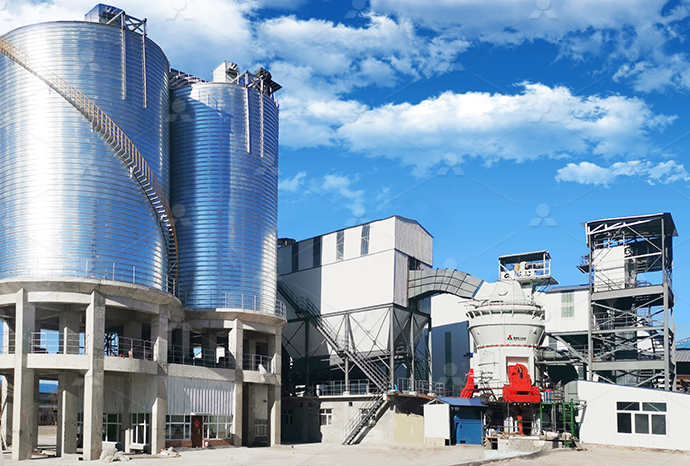
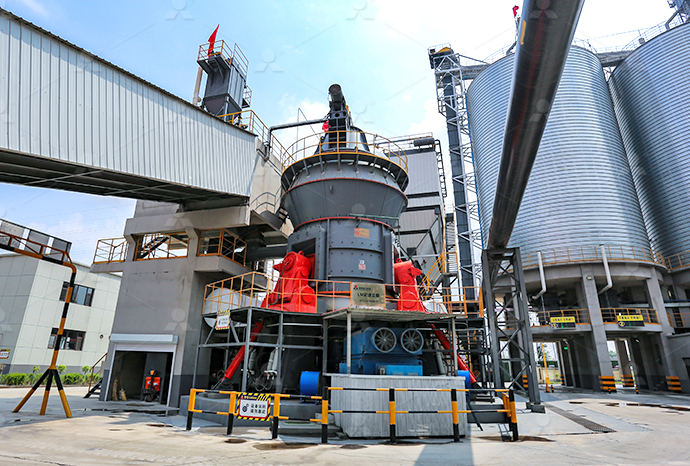
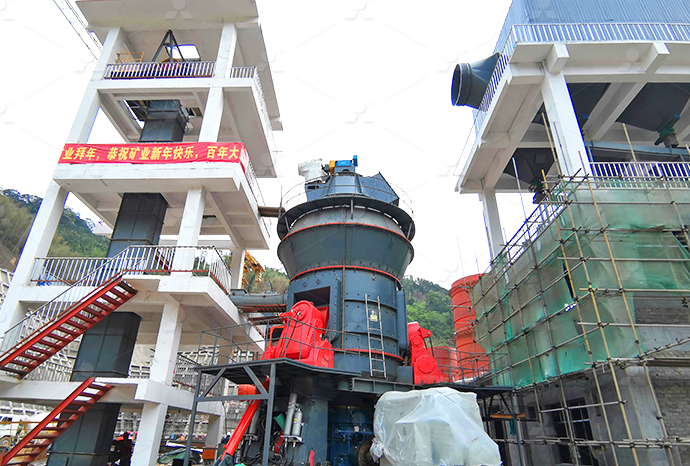
Clinker Vertical Mill
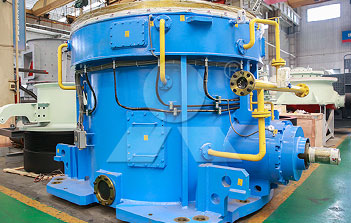
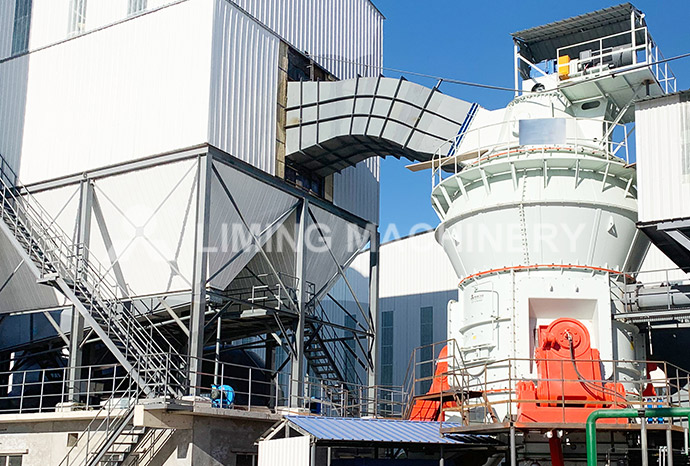
The vertical roller mill is a key equipment used for grinding cement clinker. Its main structure consists of a classifier, grinding roller device, grinding disc device, pressure device, reducer, electric motor, housing and other parts.This equipment has the advantages of high grinding efficiency, large drying capacity, easy adjustment of product fineness, low noise, low power consumption, simple process flow, low wear consumption, and low operating costs.
Applications:
It is widely used in industries such as cement, electricity, metallurgy, and chemical engineering.
Capacity: 7-200T/H
Input moisture: < 15%
Product Details
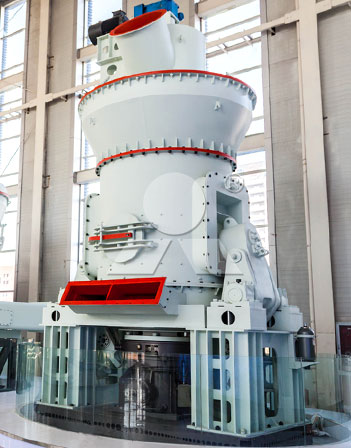
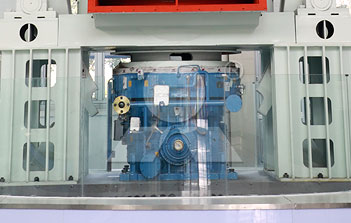
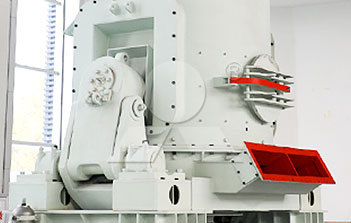
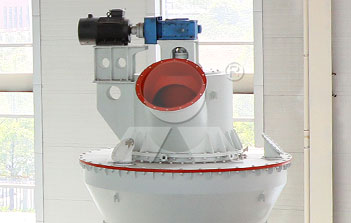
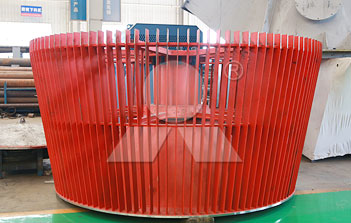
Performance Advantages
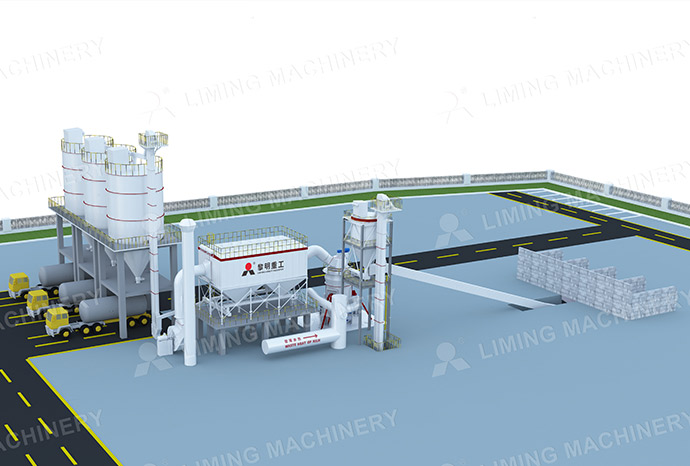
The equipment integrates crushing, drying, grinding, and graded conveying, with a simple system, compact layout, small footprint, and can be arranged outdoors, saving a lot of investment costs.
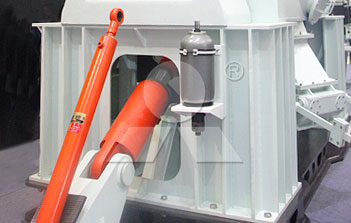
(1) Equipped with an automatic control system, it can achieve remote control and is easy to operate. (2) Equipped with a limit device to prevent direct contact between the roller sleeve and the grinding disc liner, it avoids destructive impact and violent vibration. (3) By inspecting the oil cylinder, flipping the transmission arm, replacing the roller sleeve and lining plate, it is convenient and fast, reducing losses caused by downtime.
The grinding rollers directly crush and grind the material on the grinding disc, reducing energy consumption and operating costs. Low wear consumption: During operation, the grinding rollers do not directly contact the grinding disc. The grinding roller and lining plate are made of wear-resistant materials, which have a long service life and low wear consumption.
The hot air introduced into the mill from the outside comes into full contact with the powder material inside the mill directly and repeatedly, with a strong drying ability. It can save one dryer for the mill system and save energy. By adjusting the temperature of the hot air, it can meet the requirements of materials with different moisture levels.
(1) Due to the short residence time of materials in the mill, it is easy to detect and control the particle size and chemical composition of the product, reducing repeated grinding and stabilizing product quality. (2) The product contains low iron content and the mechanical wear iron is easy to remove. When used for grinding white or transparent materials, the product has high whiteness and clarity.
With minimal vibration and low noise, the equipment is sealed as a whole, and the system operates under negative pressure without dust overflow. The environment is clean and meets national environmental protection requirements.
Working Principle
The main motor drives the grinding disc to rotate through the reducer, and at the same time, air enters the mill from the air inlet. The material falls into the center of the grinding disc through the screw feeder. Under the centrifugal force, the material moves uniformly from the center to the edge of the grinding disc. When passing through the grinding roller area on the grinding disc, it is grinded by the grinding roller, and large pieces of material are directly grinded. Fine particles are squeezed and form a material layer for inter particle grinding. The grinded material continues to move towards the edge of the grinding disc until it is carried away by the strong airflow at the wind ring, while larger particle materials fall back onto the grinding disc for further grinding. When the material in the airflow passes through the upper classifier, the coarse particles return to the grinding disc for grinding under the action of the classifier. The qualified fine powder is discharged from the grinding with the airflow and collected by the system's powder collector. The collected powder is the product of vertical mill. When iron blocks and other impurities mixed with the material move to the edge of the grinding disc, they cannot be blown up by the wind due to their heavy weight and fall into the lower chamber of the mill. They are scraped into the slag discharge outlet and discharged outside the machine by the scraper plate installed at the bottom of the grinding disc.
Specifications
Hot Sale: patented technology, high productivity, environmental protection and energy saving
FAQ
What are two key reasons for stable product quality of clinker vertical mill?
Firstly, material residence‑time inside mill is very short (only 2‑3 minutes). Operators quickly respond to fluctuation of particle‑size and chemical composition by adjusting classifier speed, air‑volume and grinding pressure, reducing over‑grinding and stabilizing product indexes. Secondly, direct metal‑on‑metal grinding is avoided; iron impurities from wear are low and easy to be removed in iron‑removal & slag‑discharge process. It brings better whiteness and clarity for white or transparent materials. Stable feed‑composition further guarantees consistent product quality.
What is complete grinding working principle of clinker vertical mill?
Main motor drives grinding‑table via reducer. Material falls onto table center by feeder and spreads outward under centrifugal force to build material bed. Hydraulic grinding‑rollers crush material bed by compression and shear force. Hot‑air enters mill inlet for material drying. Fine particles are lifted by wind‑ring airflow to upper classifier; coarse fractions fall back to table for re‑grinding. Qualified powder goes to dust collector as final product. Heavy impurities like iron blocks sink to lower chamber and are scraped to slag outlet by scraper plate.
Where is the investment advantage for all‑in‑one crushing‑drying‑grinding‑conveying vertical mill?
The mill integrates multiple working procedures into single unit and simplifies whole process with fewer auxiliary machines. Compact layout allows outdoor installation and cuts civil‑engineering investment greatly. It has built‑in drying capacity so one independent external dryer can be omitted. Compared with ball‑mill system of same capacity, total investment on building and auxiliaries decreases. Nevertheless, calculate supporting cost of hot‑air source, dust collector and fans besides vertical‑mill host during budgeting.
What maintenance convenience is brought by roller flipping‑out structure?
This vertical‑mill series allows transmission‑arm flipping to pull whole grinding‑roller assembly outside mill housing for overhaul. Operators replace roller sleeves and table liners with spacious working space outside mill, greatly improving spare‑part replacement efficiency, shortening downtime and reducing production loss caused by shutdown. Reset rollers after maintenance. Strictly follow overhaul procedure: cut power and hydraulic pressure and implement safety isolation to avoid safety hazard during roller‑flipping operation.
What function does limit‑protection device of clinker vertical mill perform?
The mill is equipped with limit device to prevent direct metal‑to‑metal collision between roller sleeve and table liner. When material bed collapses or material‑layer becomes extremely thin, it avoids destructive impact and violent vibration, protecting rollers, table liners and reducer. It is passive safety protection instead of substitute for stable process operation. Stable feeding must be maintained to prevent material cut‑off; otherwise frequent impact will accelerate wear of limit components.
What materials does clinker vertical mill suit, what are capacity and material limits?
LM‑series clinker vertical mill capacity ranges 7‑200t/h. Max feed moisture<15%, finished‑product moisture ≤1%, specific surface area ≥420m²/kg. It mainly grinds cement clinker, also suitable for slag, limestone and other additives. Reference output is based on slag Bond grindability index ≤23kWh/t. Real‑world output is affected by material hardness, grindability, feed moisture and target specific surface area. Provide lab‑test data, feed moisture, target throughput and fineness for correct model selection.

 WhatsApp
 Leave message