



Cement Ball Mill
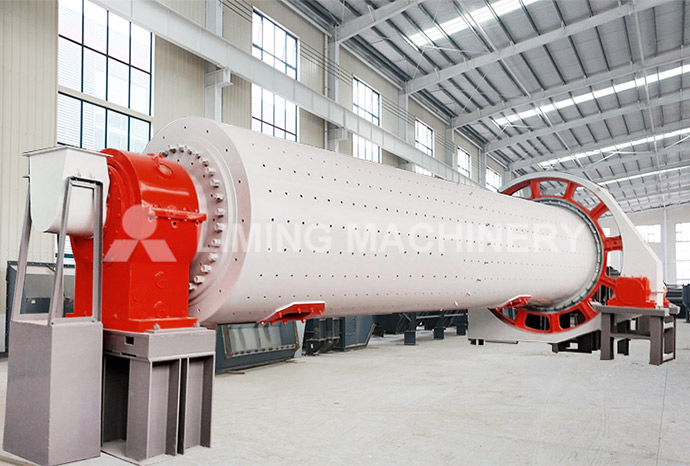
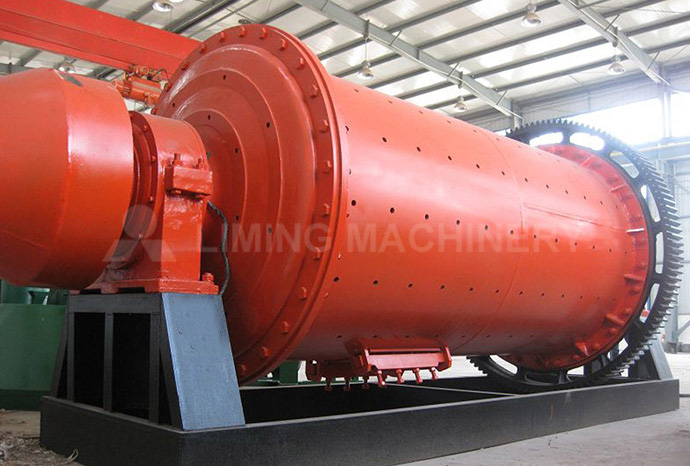
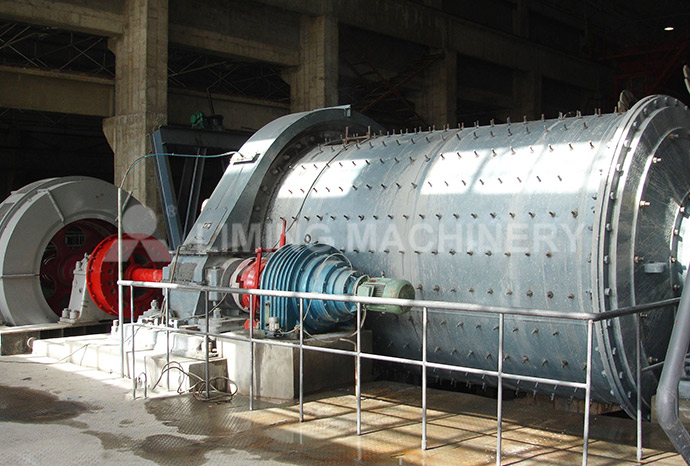
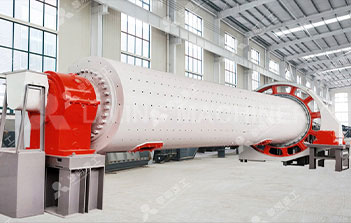
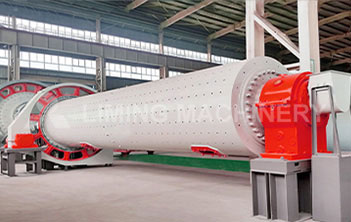
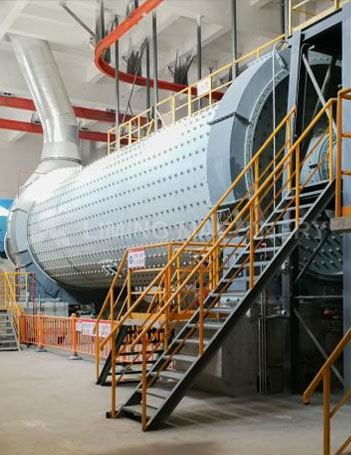
Cement ball mills, owing to their product particle size and shape characteristics, are particularly suitable for cement grinding applications, offering significant advantages for cement hydration and later-stage strength development. With shell diameters ranging from 2.2m to 4.2m, a single cement ball mill can achieve a grinding capacity of 11 to 87 tons of cement product per hour.
Applications:
Cement, coal, power plant desulfurization, metallurgy, chemical industry, non-metallic mineral, construction material, ceramics.
Capacity: 0.65-50T/H
Product Details

Performance Advantages
High grinding efficiency and low maintenance cost.
The product has uniform fineness and smooth.
Low vibration, good equipment sealing, no dust overflow, environment friendly.
Fineness and production capacity can be adjusted within a certain range.
Working Principle
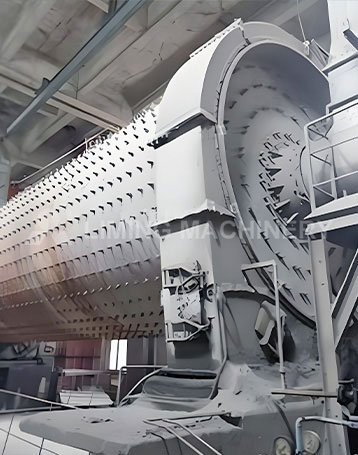
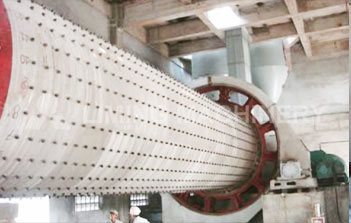
Clinker Ball Mill usually have 2 to 4 chambers, and materials are evenly fed into the first chamber of the ball mill through the feeding screw by the feeding device. The chamber has a stepped lining plate and is filled with grinding media of different specifications. The rotation of the cylinder generates centrifugal force, which brings the grinding media to a certain height and then falls down, causing impact and grinding on the materials. After rough grinding is completed in chamber 1, the material enters the next chamber through the partition plate. This chamber is lined with corrugation or flat lining plates and contains grinding media for further grinding of the material; Powdered materials are discharged through the discharge comb board to complete the grinding process.
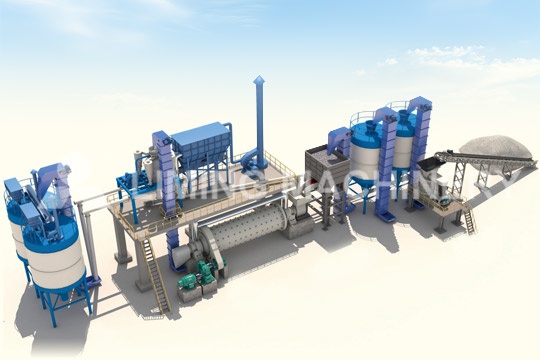
Specifications
Hot Sale: patented technology, high productivity, environmental protection and energy saving
FAQ
What fineness can the finished powder from a ball mill achieve?
Dry grinding of limestone and similar non-minerals usually reaches 80–400 mesh (0.045–0.18 mm), stable and controllable with a closed-circuit analyzer; wet grinding goes finer. Fineness is governed mainly by ball grading, speed and classification, so
What is the approximate hourly output of a ball mill line under full‑load conditions?
Grouped by shell diameter, capacity runs from 1 to over 100 t/h. A φ1.83 m mill makes about 3–15 t/h, a φ2.4 m mill about 8–35 t/h, and large φ3.2 m+ mills 30–100 t/h. Beneficiation, cement and bulk powder lines size the shell from the target ou
What is the maximum lump feed size a ball mill can accept without causing equipment damage?
Feed is generally kept below 25 mm, up to 30–40 mm for large mills. Oversize hits liners and balls and lowers efficiency, so crushing and screening precede the mill to even the feed. Even feed protects the host, extends liner life and keeps running smo
How are Ball Mill after-sales service and spare parts supplied?
The maker offers installation guidance, training, remote diagnosis and follow-ups, with liners and balls stocked for fast shipment. An annual maintenance agreement lets the maker track data and warn early, securing continuous stable operation.
How is the Ball Mill applied in cement grinding?
In cement plants the Ball Mill grinds raw meal and cement (clinker plus additives), often with a roller press pre-crusher and analyzer in a combined grinding system. Closed-circuit operation stabilizes specific surface area for different cement grades—
What grinding principle does the Ball Mill use?
The Ball Mill spins its shell to lift and cascade steel balls that impact and grind material. Compartment design splits coarse and fine grinding with diaphragms and screening for higher efficiency. Dry mode pairs with an analyzer circuit; wet mode with a

 WhatsApp
 Leave message