





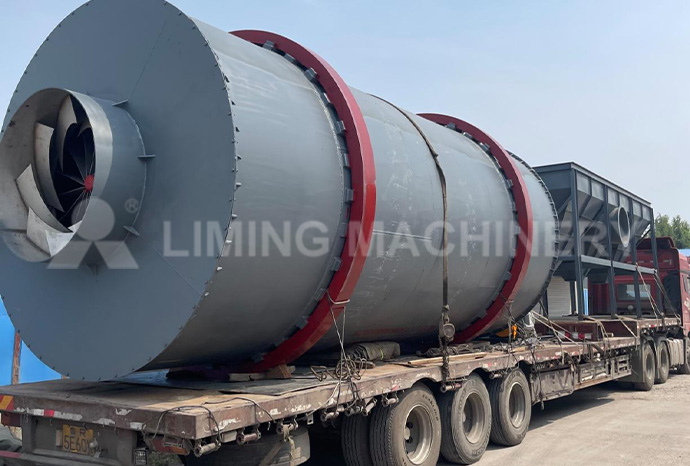
Dryer
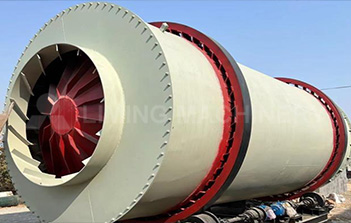
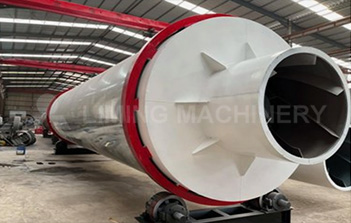
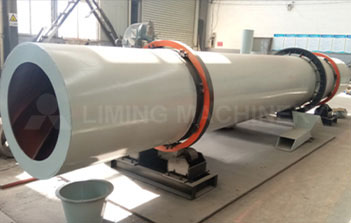
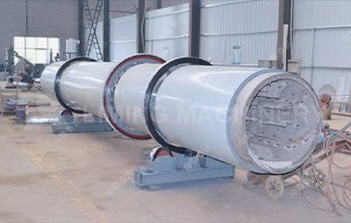
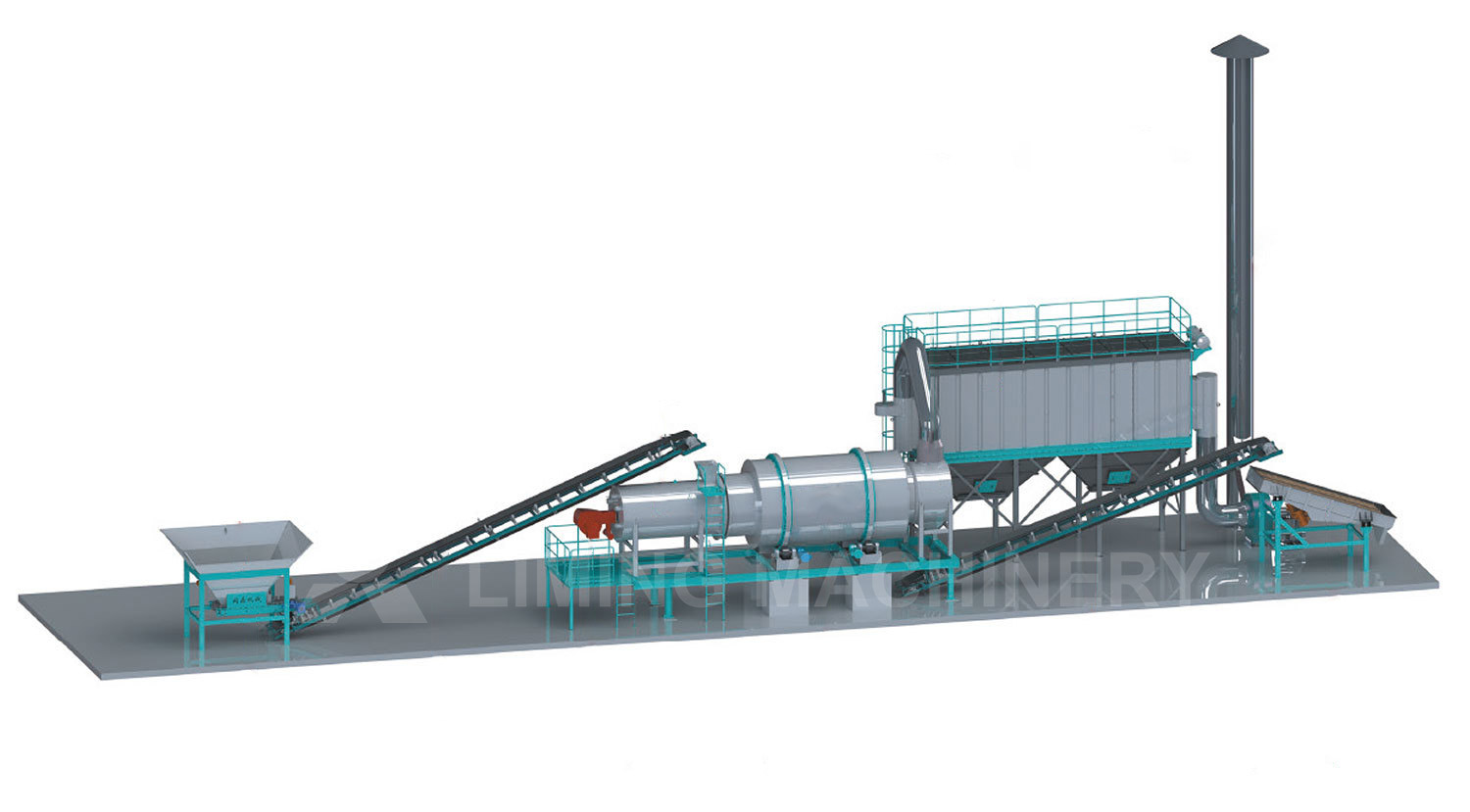
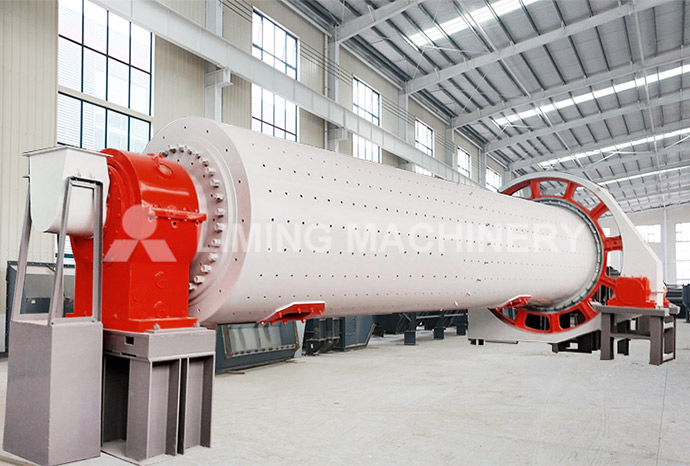
The rotary dryer mainly consists of a rotating drum, material retaining rings, a drive system, and supporting devices.The rotary dryer is used for drying materials such as slag, clay, and limestone, primarily in the cement, chemical, metallurgical, and building materials industries. It offers advantages including high drying capacity, smooth operation, low energy consumption, user-friendly operation, and high output.
Applications:
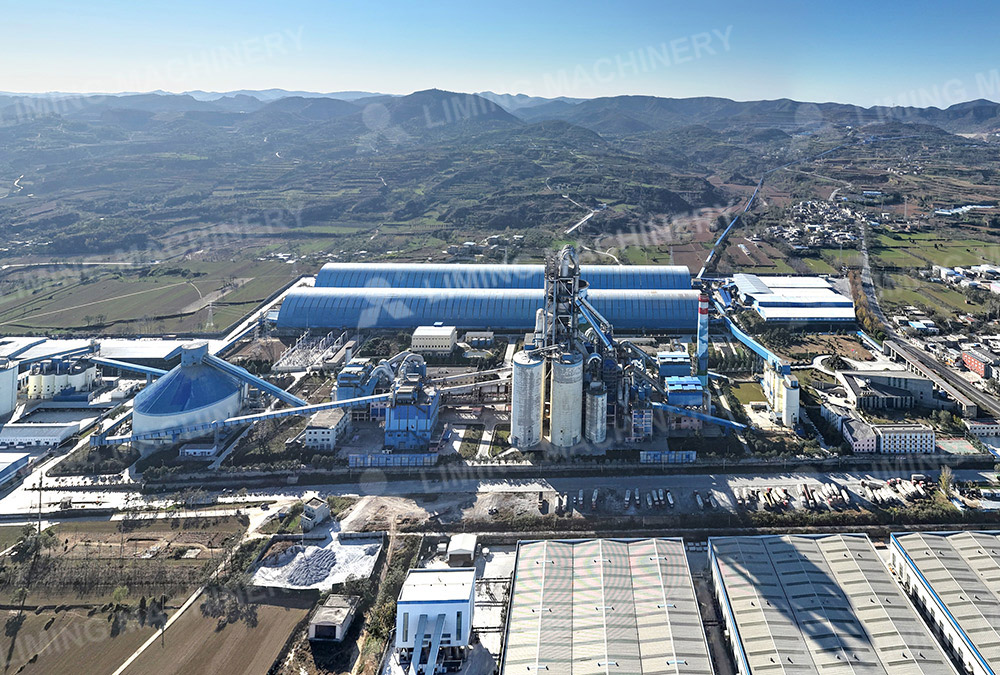
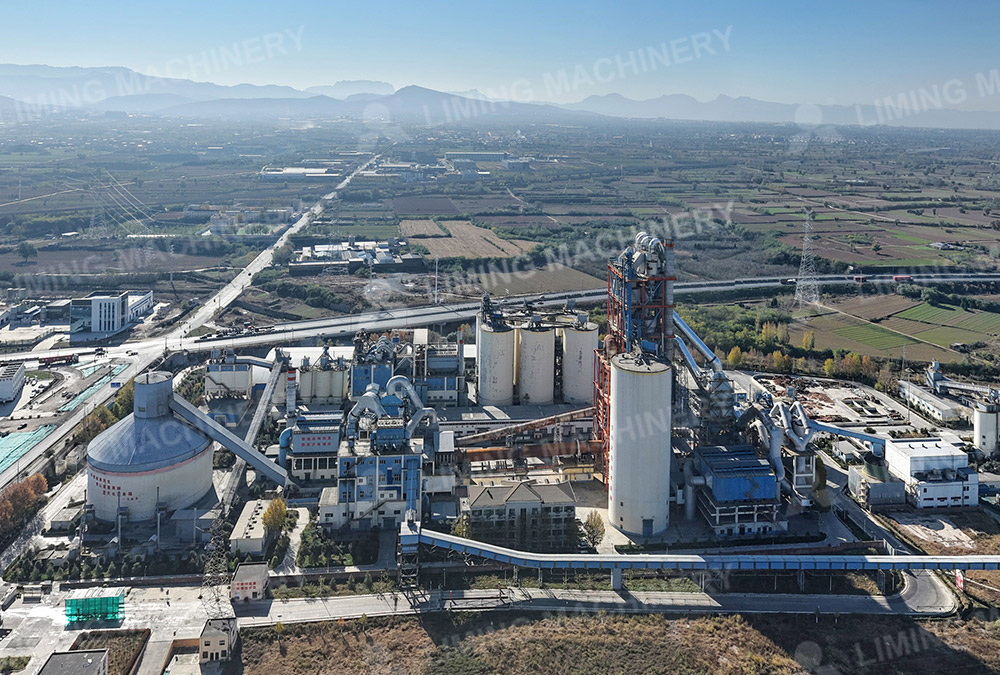
Suitable for cement plants and clinker production lines.
Capacity: 0.5-160T/H
Product Details
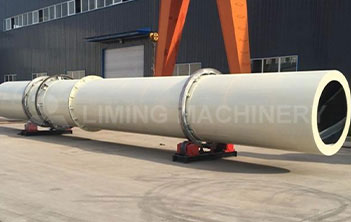
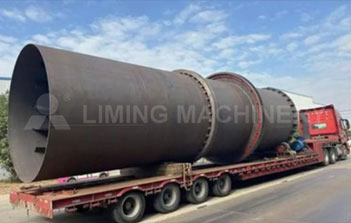
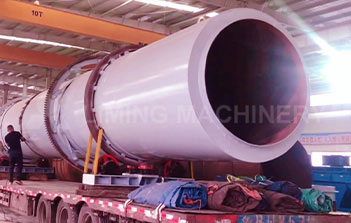
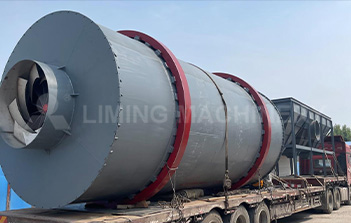
Performance Advantages
Safe, reliable and environmental protection: Using high-efficiency pulse dust collector, to reduce dust and noise pollution, excellent results of environmental protection.
Low investment and high efficiency: In the same product fineness and power consumption, the investment cost is lower, recovery cycle is shorter and yield is 45% more than jet mill.
Low loss and high fineness: tear and wear parts use high-quality wear-resistant materials, the serve life is more than a year, final fineness up to D97 ≤ 5μm at one time.
Working Principle
Its working principle involves using well-arranged and alternately angled lifters evenly distributed inside the drum to repeatedly lift and shower moisture-bearing material through the rotating chamber. Hot air currents then extract moisture from the material, converting it into water steam discharged into the atmosphere, thereby achieving drying.
Specifications
FAQ
What is the maximum allowable inlet temperature for the dryer?
Small single‑drum dryer allows max inflow temperature ≤700℃; medium‑large single‑drum (≥φ1500) ≤800℃; three‑tube dryer runs at 700‑750℃. Do not keep full‑limit temperature in real operation; avoid material over‑burning according to material heat resistance. Excessive temperature accelerates high‑temperature oxidation of drum and lifters and shortens wearing‑part service life. Operators shall strictly control heating parameters.
What materials and industries is this dryer suitable for?
It dries slag, clay, limestone and other bulk materials for cement, chemical, metallurgy and building‑material industries, widely applied in cement plants and clinker production lines. It works for granular & powdery solids rather than highly sticky feed. Its capacity ranges from 0.5‑160t/h. Please offer material name, incoming & target moisture for accurate model recommendation.
What is rotating‑speed range of dryer drum and its influence on production?
Small single‑drum models run at 3‑8r/min; medium‑large ones run 1.5‑6r/min; three‑tube dryer shaft rotates 4‑10r/min. Higher speed increases material‑showering frequency yet shortens residence time. Lower speed extends drying time with reduced throughput. Production shall balance capacity and drying result. Never adjust speed beyond model‑specified range, otherwise supporting rollers and blocking wheels will suffer accelerated wear.
How to choose between single‑drum dryer and three‑tube dryer?
Single‑drum dryer features simple structure & easy maintenance, max capacity up to 160t/h, ideal for large‑output projects with sufficient site length. Three‑tube dryer adopts nested cylinders with smaller footprint and higher thermal efficiency for limited‑space sites. Single‑drum relies on gravity feeding via 3‑5% gradient while three‑tube uses inner hot airflow. We will make proposals according to capacity, site size, material property and heat source.
What is the working principle of rotary dryer?
Well‑arranged, alternately‑angled lifters inside rotating drum repeatedly lift and shower wet materials to form material curtain. Hot airflow contacts materials fully and evaporates moisture into steam exhausted out. With drum gradient, materials move slowly from feeding end to discharging end. Rotate speed, inflow temperature and gradient adjust material residence time for target outlet moisture.
What is the gradient setting of single‑drum dryer drum and its function?
Standard gradient of single‑drum dryer drum is 3‑5%. Together with drum rotation, gravity pushes materials from feeding side towards discharging side. Gradient value directly decides material residence time inside drum. Excessive gradient causes fast material passing and insufficient drying; too‑small gradient leads to material blockage. Factory default gradient is finished before delivery; only minor on‑site adjustment is allowed instead of large modification.

 WhatsApp
 Leave message