



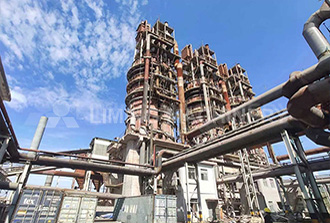
Twin-Shaft Kiln
Applications:
Specifications
Hot Sale: patented technology, high productivity, environmental protection and energy saving
FAQ
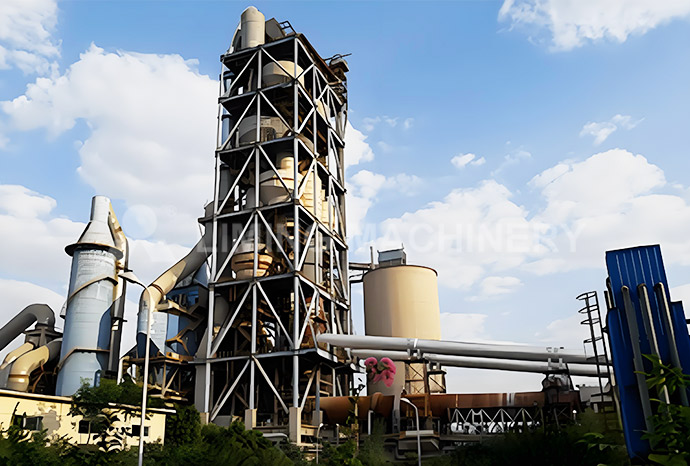
What causes large pressure difference & pressure unbalance between two shafts of twin‑shaft kiln and solutions?
Abnormal pressure‑gap between Shaft‑A and Shaft‑B: reversing‑valve plate out‑of‑position or damaged seal bringing unequal gas‑path resistance; kiln‑ring formation or material bridging inside one‑shaft raising bed resistance; severe feed‑size segregation creating different void ratio in two shafts; partial blockage on dedusting inlet pipeline. Inspect reversing‑valve hydraulic movement and seals; check material level for bridging or kiln‑ring; homogenize feed‑size; clear pipeline blockage to restore pressure balance and guarantee normal alternating calcination‑regeneration workflow.
What downstream industries apply active lime produced by rotary lime kiln?
High‑activity lime from rotary kiln is widely used for steel‑making desulfurization & slag‑forming, metallurgy, chemical industry, waste‑water treatment and building‑material sectors. High‑activity lime features fast reaction and lowers unit consumption compared with ordinary lime. Uniform calcination brings low over‑burning rate for stable activity. Calcined dolomite serves refractory‑material industry. Target product index shall be confirmed in design phase to meet downstream requirements.
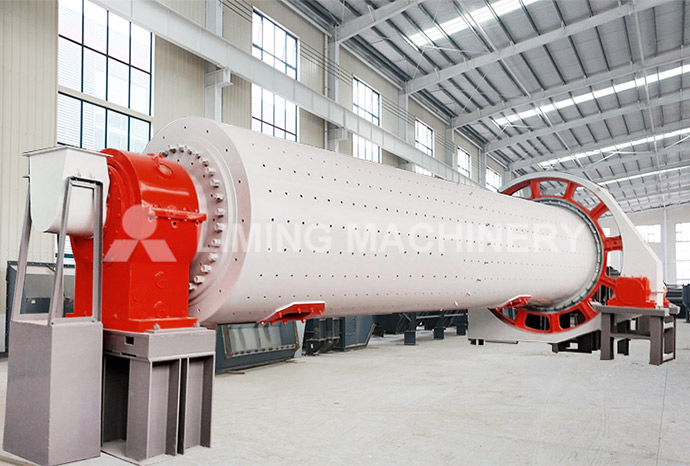
What fineness can the finished powder from a ball mill achieve?
Dry grinding of limestone and similar non-minerals usually reaches 80–400 mesh (0.045–0.18 mm), stable and controllable with a closed-circuit analyzer; wet grinding goes finer. Fineness is governed mainly by ball grading, speed and classification, so
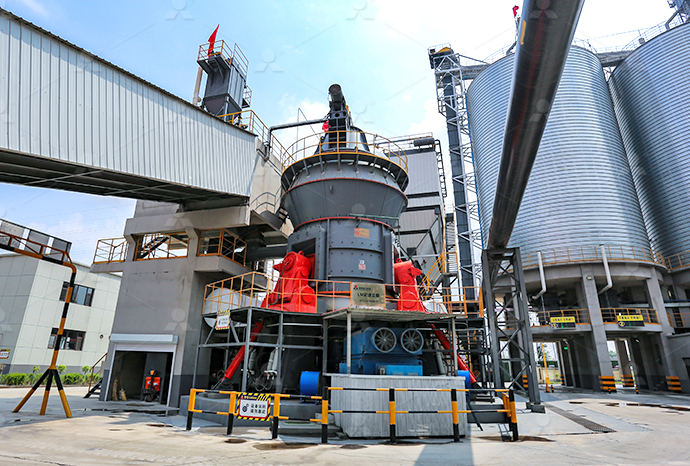
How is product collection and packaging achieved on the PMD New-Generation Permanent-Magnet Direct-Drive Intelligent European Grinding Mill?
Qualified fine powder enters the cyclone collector for gas-solid separation and is discharged by a rotary valve; ultrafine fractions are captured again by the pulse collector. Product is pneumatically conveyed to silos or ton-bag packers for automated fi
Which materials is the MB5X Pendulum Roller Grinding Mill suitable for processing?
It`s ideal for non-flammable, non-explosive materials with Mohs hardness below 7 and moisture under 6%, such as limestone, calcite, dolomite, marble, gypsum, heavy calcium carbonate, bentonite, kaolin, bauxite, barite, clean coal and petroleum coke.
What is the finished powder fineness range of the direct‑centrifugal grinding mill?
Adopting direct‑discharge structure, its powder fineness ranges from 80 mesh to 1250 mesh, adjusted jointly by main‑machine rotating speed, air flow and classifier assembly. Higher speed brings stronger impact‑shearing for finer powder; larger air

 WhatsApp
 Leave message