



Impluse Bag Filter
Applications:
Specifications
Hot Sale: patented technology, high productivity, environmental protection and energy saving
FAQ
What main process reasons for over‑burnt lime in twin‑shaft kiln?
Over‑burning results from excessive residence‑time under high‑temperature zone. Main triggers: excessive fuel input causing combustion‑shaft over‑temperature; over‑long reversing‑cycle prolonging high‑temperature residence; too‑slow discharging‑speed of both shafts; too‑fine feed lumps getting heated too fast; reversing‑valve fault causing flame‑gas offset and local over‑heat. Counter‑measures: cut fuel feed; moderately shorten reversing‑cycle; raise discharging‑rate properly; sieve out ultra‑fine particles; repair reversing‑valve for balanced gas‑distribution to keep over‑burnt ratio ≤5%.
What are core components of clinker vertical mill?
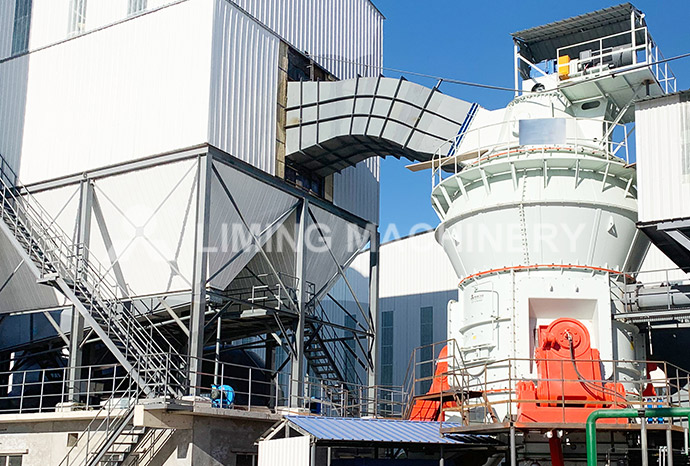
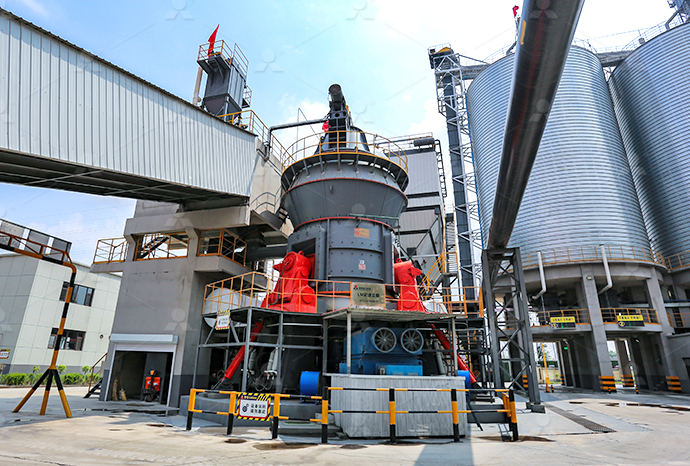
Clinker vertical‑mill core components include dynamic classifier, grinding‑roller assembly, grinding table, hydraulic pressurizing system, main reducer, main motor, mill housing, wind ring, scraper plate and slag outlet. It integrates crushing, grinding, drying, classification and conveying. Centrifugal force spreads feed into stable material bed; hydraulically‑pressurized rollers realize bed grinding. Hot‑air dries feed; qualified fine powder passes classifier and is collected; heavy impurities are discharged from bottom slag outlet for cement, power, metallurgy and chemical industries.
Can the LM Vertical Coal Grinding Mill use waste heat to cut energy?
Yes. The LM Vertical Coal Grinding Mill can use kiln-tail or boiler waste heat as the drying source, replacing part or all of hot-air-furnace coal to cut fuel and emissions—a key low-energy, low-carbon path, especially for cement and power synergy.
Why does shaft kiln achieve long service life for refractory lining?
Materials slide downwards by gravity, bringing mainly sliding friction instead of heavy tumbling‑impact abrasion seen in rotary kilns. Refractory service life can reach 6‑10 years under stable operation. Stable feed lump‑size reduces lump impact. Strict calcination‑temperature control avoids thermal shock caused by sharp temperature swing. Minimize air‑leakage to prevent local abnormal temperature. Regular refractory inspection and standard heating‑cooling curve further extend lining service life.
Does the PMD New-Generation Permanent-Magnet Direct-Drive Intelligent European Grinding Mill permanent-magnet motor need special maintenance?
The PMD New-Generation Permanent-Magnet Direct-Drive Intelligent European Grinding Mill permanent-magnet motor has high protection and sealed structure; daily care is just keeping cooling ducts clean and monitoring winding temperature and current. With n
What does daily maintenance of the Straight-Through Centrifugal Mill mainly include?
Daily care includes checking bearing lube and temperature, cleaning or replacing screens, inspecting hammer and liner wear, and checking bolt tightness and rotor balance. As it rotates fast, watch vibration and noise; stock hammers, liners and screens ah

 WhatsApp
 Leave message